Featured Post

✈️ Why Travel Insurance on a Credit Card Matters

Picture this: you’ve booked a dreamy cruise through the Caribbean or a multi-stop European holiday. Flights, hotels, transfers — you’ve paid...

Disembarkation of Enchante Princess at Lauderdale: A Seamless Process from Start to Finish

 Introduction

The disembarkation process is an integral part of any cruise journey, marking the conclusion of a memorable vacation. In this article, we will delve into the smooth disembarkation experience of the Enchante Princess at Lauderdale. From the morning before disembarkation to the account settlement process, we will guide you through the entire journey, ensuring a hassle-free and enjoyable end to your cruise vacation.
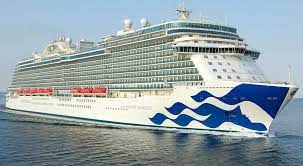


The Morning Before Disembarkation

The morning before disembarkation sets the stage for a seamless transition from ship to shore. As the sun rises, passengers wake up to their final day on board the Enchante Princess. The ship's crew works diligently behind the scenes to ensure a smooth operation and provide necessary instructions to the guests.


Preparing for Departure

On the morning of disembarkation, passengers are advised to review the guidelines and instructions provided by the ship's crew. These instructions may include details about the disembarkation time, meeting points, and any special procedures.


Gathering Belongings and Packing

Passengers are encouraged to organize their belongings and pack their luggage the night before disembarkation. This ensures a stress-free morning and allows for a swift departure. It is essential to double-check all cabins and common areas to ensure no personal items are left behind.


Settling Outstanding Charges

Before bidding farewell to the Enchante Princess, passengers need to settle any outstanding charges. This typically includes expenses such as onboard purchases, gratuities, and any additional services availed during the cruise. Passengers can conveniently settle their accounts at the ship's reception or through automated payment systems.


The Disembarkation Process

The disembarkation process is meticulously designed to ensure a smooth flow of passengers from the ship to the terminal. Here's a step-by-step breakdown of the process:


Step 1: Gathering in Designated Areas

Passengers are instructed to gather in designated areas based on their assigned disembarkation groups.

Step 2: Immigration and Customs

Depending on the itinerary, passengers may be required to go through immigration and customs procedures.

Step 3: Baggage Collection

Passengers proceed to the designated area to collect their luggage, which is organized according to disembarkation groups.

Step 4: Exiting the Terminal

Once passengers have collected their luggage, they can exit the terminal and proceed to ground transportation or other arrangements.

The Enchante Princess strives to make the disembarkation process as efficient as possible, minimizing waiting times and ensuring a seamless transition for all guests.


Conclusion

In conclusion, the disembarkation process of the Enchante Princess at Lauderdale is a well-orchestrated sequence of events that aims to provide passengers with a stress-free conclusion to their cruise vacation. From the morning before disembarkation to settling outstanding charges and smoothly transitioning from ship to shore, every step is carefully executed to enhance the overall guest experience.


We hope that this article has shed light on the disembarkation process, guiding you through the necessary steps involved. By following the guidelines provided by the ship's crew and being prepared, you can make the most of this final day on board and smoothly disembark the Enchante Princess, cherishing the memories created during your cruise vacation.


FAQs

1. How early should I start preparing for disembarkation?

It is advisable to begin organizing your belongings and packing the night before disembarkation to ensure a smooth departure in the morning.


2. Can I settle my outstanding charges in advance?

Yes, you can settle your outstanding charges throughout your cruise journey to avoid any last-minute rush on the morning of disembarkation.


3. What if I have special requirements during disembarkation?

If you have any special requirements or need assistance during disembarkation, it is recommended to inform the ship's crew in advance so they can make appropriate arrangements.


4. Are there any additional customs procedures I need to be aware of?

The customs procedures may vary depending on your itinerary and destination. It is advisable to familiarize yourself with the specific requirements beforehand to ensure a smooth transition.


5. How long does the disembarkation process usually take?

The duration of the disembarkation process can vary based on several factors, including the number of passengers and the efficiency of the procedures. However, cruise lines strive to ensure swift and organized disembarkation for all guests.

David Au


Unveiling Curacao: A Paradise of History, Beaches, and Dutch-Caribbean Magic

Introduction:

Curacao is a captivating island nation located in the southern Caribbean Sea, renowned for its stunning beaches, vibrant culture, and rich history. As one of the constituent countries of the Kingdom of the Netherlands, Curacao boasts a unique blend of Dutch influence and Caribbean charm. This picturesque destination offers an array of experiences for travelers seeking a perfect mix of relaxation, adventure, and cultural exploration.


History:

Curacao's history is deeply rooted in colonization. The island was initially inhabited by the indigenous Arawak people. In 1499, the Spanish claimed Curacao, but it later became a Dutch colony in 1634. The Dutch influence is still evident in the island's architecture and language. Over the centuries, Curacao prospered as a hub for trade, particularly due to its natural harbor, Willemstad. The island gained autonomy within the Kingdom of the Netherlands in 1954 and has since become a popular tourist destination.


Location:

Curacao is situated in the southwestern part of the Caribbean Sea, approximately 40 miles north of the coast of Venezuela. It is part of the ABC islands (Aruba, Bonaire, and Curacao) and is the largest among them. The island covers an area of around 171 square miles (444 square kilometers) and is characterized by its diverse landscapes, including pristine beaches, cactus-filled deserts, and rugged cliffs.


Demographics:

Curacao is a multicultural melting pot with a diverse population. The majority of the island's inhabitants are of Afro-Caribbean descent, with significant influences from Dutch, Latin American, and other Caribbean cultures. The official languages are Dutch, Papiamentu (a Creole language), and English, making communication easy for most visitors.


Weather:

Curacao enjoys a tropical savannah climate, with warm temperatures throughout the year. The average temperature ranges from 77°F (25°C) in the winter months to 86°F (30°C) in the summer. The island experiences a relatively constant temperature due to the cooling trade winds that blow from the northeast. Curacao is located outside the hurricane belt, making it a safe destination to visit even during the Atlantic hurricane season.


Tourist Spots:

Willemstad: The capital city of Curacao, Willemstad, is a UNESCO World Heritage site. Its colorful colonial architecture, such as the iconic Handelskade waterfront, is a sight to behold. Explore the historic district of Punda, visit the floating market, and stroll across the famous Queen Emma Bridge.


Shete Boka National Park: This nature reserve offers dramatic coastal scenery, with rugged cliffs, blowholes, and natural limestone formations. Take a guided tour to witness the power of the sea as it crashes against the rocky shore.


Christoffel National Park: Nature enthusiasts will appreciate this park, which encompasses the island's highest peak, Mount Christoffel. Hike to the summit for breathtaking views and explore the diverse flora and fauna along the trails.


Playa Kenepa (Knip Beach): Experience Curacao's stunning beaches at Playa Kenepa. Crystal-clear turquoise waters and soft white sand make it an ideal spot for swimming, snorkeling, and sunbathing.


Recommendations:

Don't miss out on the local cuisine, including Krioyo dishes such as stobá (a meat stew) and funchi (a cornmeal-based side dish).

Visit the Hato Caves, a fascinating underground network of caves with impressive stalactites and stalagmites.

Explore the underwater world by going snorkeling or diving to discover the colorful coral reefs and diverse marine life.


FAQs:

Do I need a visa to visit Curacao?

It depends on your nationality. Many visitors, including those from the United States, Canada, the European Union, and many South American countries, do not need a visa for stays up to 90 days. It is advisable to check the specific visa requirements based on your nationality before traveling.


What currency is used in Curacao?

The official currency of Curacao is the Netherlands Antillean guilder (ANG), but US dollars are widely accepted. Major credit cards are also accepted at most establishments.


Is English widely spoken in Curacao?

Yes, English is widely spoken, particularly in tourist areas. Dutch and Papiamentu are also commonly used.


Conclusion:

Curacao offers an enchanting blend of natural beauty, cultural heritage, and warm hospitality. With its pristine beaches, vibrant history, and diverse attractions, the island caters to a wide range of interests. Whether you seek relaxation, adventure, or a cultural experience, Curacao promises an unforgettable vacation in the heart of the Caribbean.